COPD: Symptoms, Risk Factors and Treatment
Chronic Obstructive Pulmonary Disease (COPD) is a long-term lung condition that can make breathing progressively difficult. It commonly affects people with a history of smoking, although long-term exposure to air pollution, dust, smoke and certain workplace chemicals can also increase the risk.
Common Symptoms of COPD
COPD symptoms may develop gradually and can include:
- Persistent cough
- Excess mucus or phlegm
- Shortness of breath
- Wheezing
- Chest tightness
- Reduced exercise tolerance
- Frequent respiratory infections
Who Is at Risk of COPD?
Smoking is one of the major risk factors for COPD. Other factors include long-term exposure to air pollution, biomass smoke, occupational dust and chemicals. Some people may also have an increased risk due to genetic factors.
How Is COPD Diagnosed?
A pulmonologist may assess your symptoms, medical history and exposure to risk factors. Spirometry is an important lung function test that helps evaluate airflow and can support the diagnosis of COPD.
COPD Treatment and Management
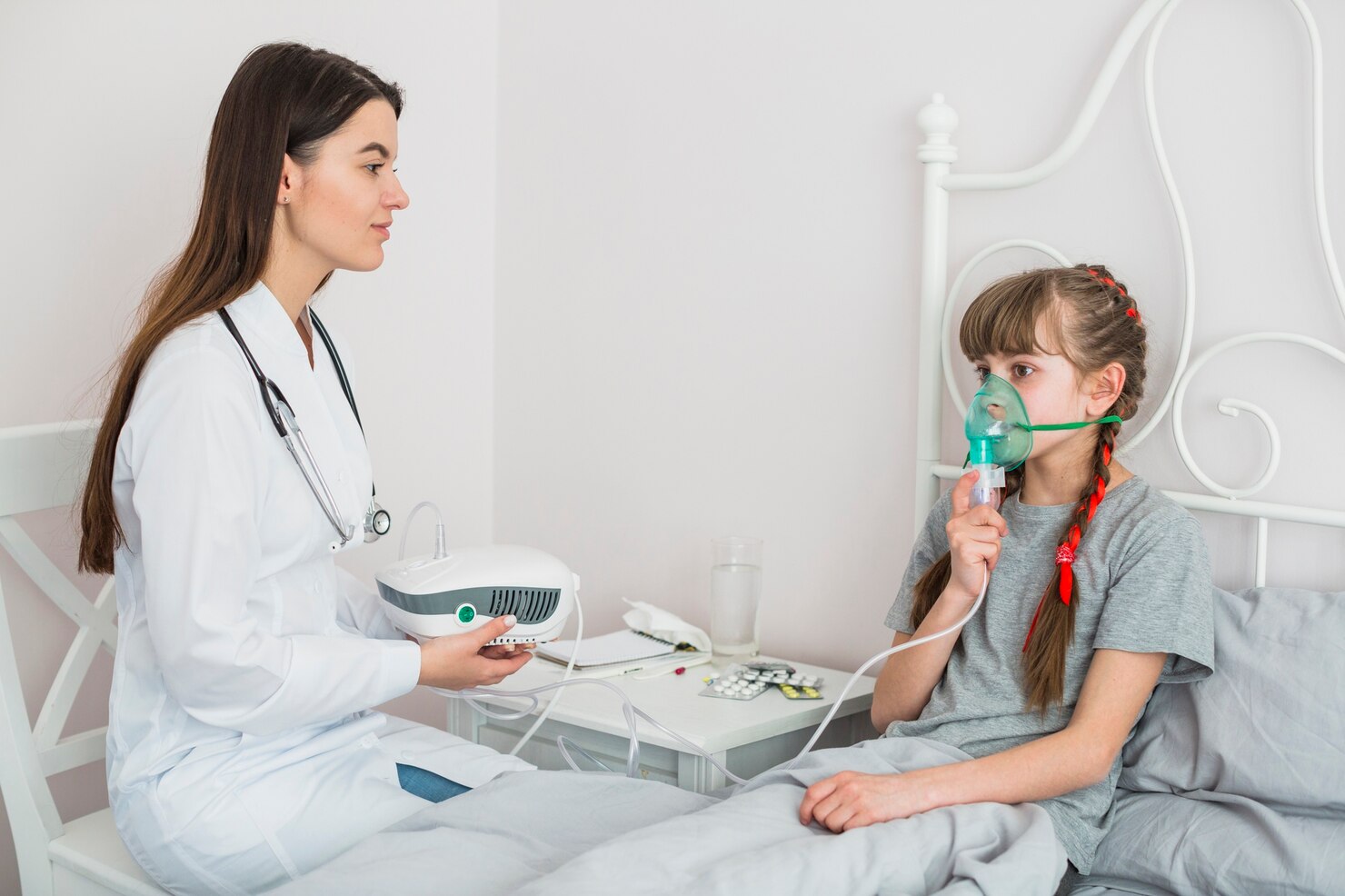
Although COPD is a chronic condition, proper treatment can help control symptoms and improve quality of life. Depending on the individual condition, treatment may include inhalers, medications, pulmonary rehabilitation, breathing exercises and lifestyle changes.
Quitting smoking is one of the most important steps for people who smoke. Regular medical follow-ups can also help monitor lung function and reduce the risk of exacerbations.
If you experience persistent cough, excessive phlegm or increasing breathlessness, consult a pulmonologist for proper evaluation and personalized respiratory care.